

Transitions Wellness Services
“Transitions Wellness & Performance Center”
Because your body is wise, your nervous system is tired, and your healing doesn’t have to wait for a crisis. At Transitions, rest isn’t a luxury — it’s a strategy. It’s where your breath slows, your mind unwinds, and your body remembers how to heal. Whether you’re soaking in stillness inside a float pod, sinking into heat in the infrared sauna, or letting the quiet pulse of red light or sound gently reset your rhythm, each experience is designed to bring you back to yourself. This is your space to pause. To recalibrate. To transition from stress into restoration — and leave not just rested, but recharged.
Prioritize Yourself:
When we constantly give without taking time to refill our own energy, we end up running on empty—and that’s when stress, burnout, and even illness set in. Prioritizing ourselves isn’t selfish; it’s essential. We’re here to give you that permission.
Reset Your Nervous System:
The nervous system is the master regulator of the body, and holistic healing depends on its balance and resilience. Each one of our services allows this system to reset for maximum healing to occur.
Decrease Toxic Load
In today’s world we are bombarded with pollution, chemicals, processed foods, and constant stress, all of which place a heavy burden on our bodies and make it more important than ever to support our natural ability to cleanse, restore, and stay resilient.
Your Future Self Will Thank You
Aging well is the new “cool” —When you invest in your health now, your future self will thank you with more energy, clarity, and joy to fully live the life you envision. Don’t put it off, you deserve the best.
Infared Sauna + Cold Plunge (Private Rooms)
Infared heat warms the body from within, relaxing muscles and boosting circulation. The cold plunge quickly cools
you down, easing inflammation and stimulating the nervous system. Together, they create a powerful balance
that supports recovery, stress resilience, and overall wellness.
Hyperbaric Oxygen Therapy
Stepping into a soft hyperbaric chamber feels gentle, yet what happens inside is powerful. As pressure
increases and you breathe 98% oxygen, your body absorbs far more than it could at normal air levels. This
oxygen-rich plasma reaches areas with low circulation, boosting cellular energy, supporting repair, and enhancing
natural healing.
Red Light Bed
Originally studied by NASA, red light works on the outer layers of skin to stimulate your cells’ mitochondria—their energy centers. This boosts ATP production, fueling repair, renewal, and a healthy glow. Gentle and calming on the surface, powerful at the cellular level.
Vibroacoustic Sound Meditation Bed
Using low-frequency vibrations (30–120 Hz) paired with binaural beats, this therapy is both heard and felt. The sound waves calm the nervous system, ease tension, improve circulation, and create a deeply immersive meditative state.
Flotation Therapy
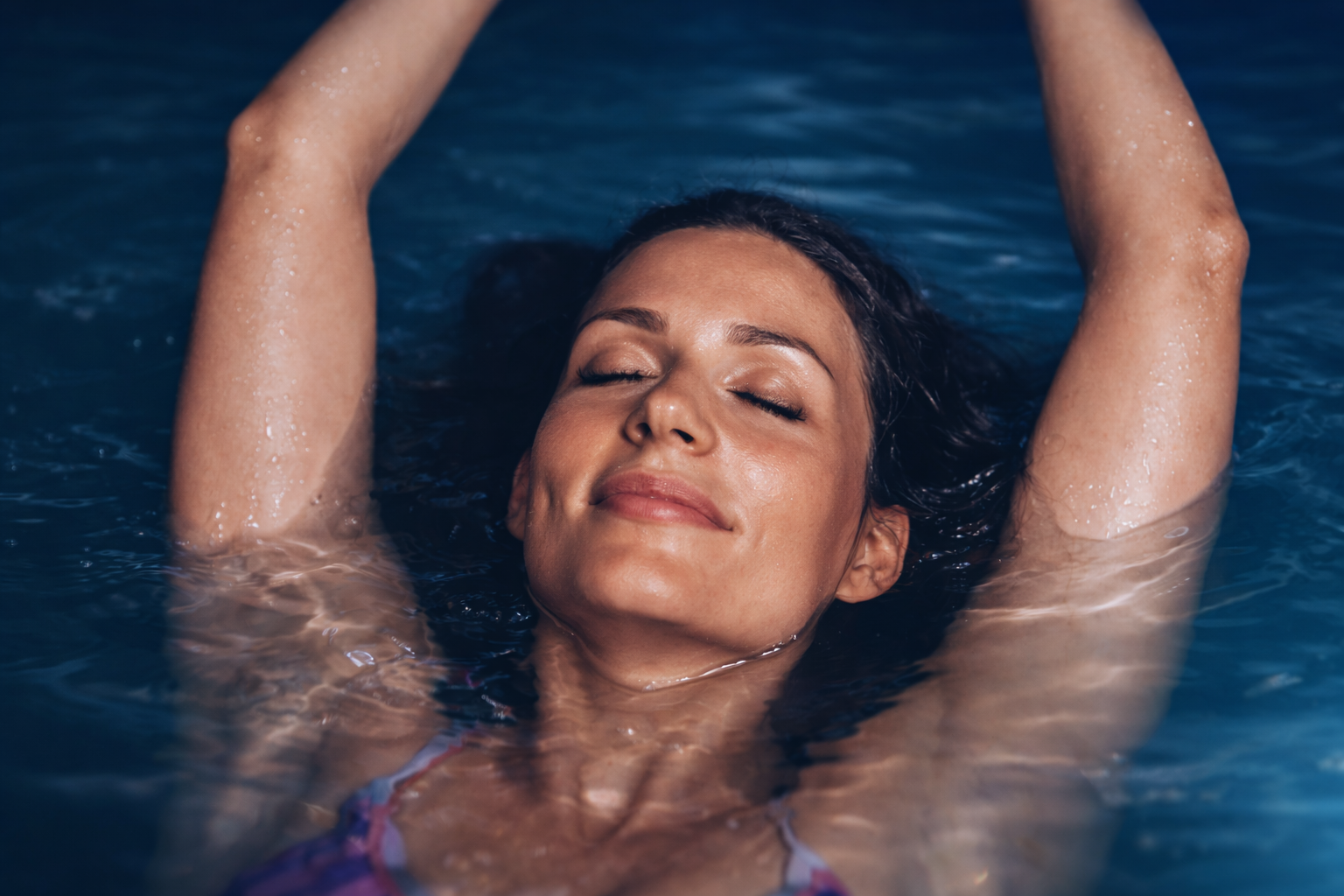
In a warm, buoyant solution of 1,400 lbs of Epsom salt, you float effortlessly—free from sound, light, and gravity. This deep stillness calms the nervous system, eases muscle tension, and melts away stress. Our open float tanks feel spacious and inviting, making floating accessible to everyone.
Halotherapy
Breathe in fine, medical-grade salt particles that help clear mucus, reduce inflammation, and support the respiratory system. The quiet, mineral-rich environment promotes deep breathing, relaxation, and nervous system balance.
Compression Therapy
Gentle, rhythmic pressure stimulates circulation and lymphatic flow while reducing fluid buildup. Quiet and grounding, it restores movement, eases tension, and promotes full-body balance.
Theraputic Cupping
Combining ancient cupping with modern technology, adjustable suction, pulsing, and heat work together to boost circulation, release fascia tension, and accelerate muscle recovery. A personalized, precision therapy that helps your body unwind and restore wellness.
Electrical Muscle Stimulation
Gentle electrical pulses stimulate muscles and nerves, improving circulation, easing tension, and supporting recovery. Non-invasive and soothing, E-Stim helps relax tight areas, reawaken weak muscles, and restore flow and function.
Vibration Plate
Gentle electrical pulses stimulate muscles and nerves, improving circulation, easing tension, and supporting recovery. Non-invasive and soothing, E-Stim helps relax tight areas, reawaken weak muscles, and restore flow and function.
Mild Hyperbaric Oxygen Therapy (mHBOT)
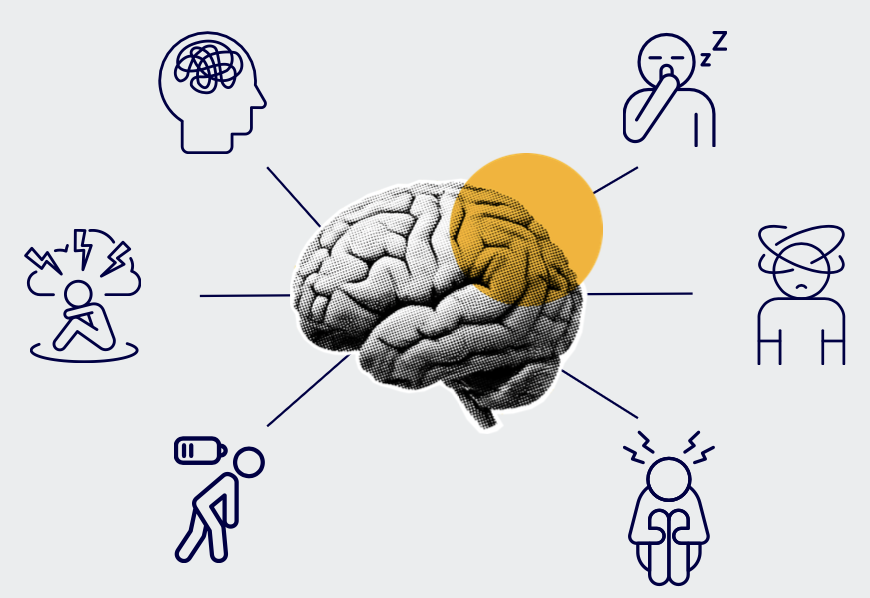
Improve Cognitive Function
Evidence: Studies on mHBOT (1.3-1.5 ATA) in veterans with mild TBI, long-COVID patients, and healthy older adults show improvements in memory, attention, and executive function.
Reference: Harch et al., PLoS ONE (2012) - veterans with blast-induced TBI showed improved cognition after 40 sessions at 1.5 ATA.
Post-Concussion Syndrome/TBI
Evidence: Multiple trials show cognitive and quality-of-life improvements in patients with persistent post-concussion symptoms using mHBO
Key Point: Most positive studies used 1.3 -1.5 ATA for 40-60 sessions
Reduction of Neuroinflammation
Evidence: Animal studies and limited human trails show that mHBOT decreases pro-inflammatory cytokines (e.g., TNF-alpha, IL-6) and reduces oxidative stress markers.
Stroke Recovery & Neuroplasticity
Evidence: Studies with 1.3-2.0 ATA show improvements in brain metabolism and neuroplasticity even months or years post-stroke (though most stroke studies use higher pressures).
Depression & Fatigue
Evidence: Several studies, mostly at 1.3-1.5 ATA, report benefits for mood regulation in PTSD, depression and fatigue especially when inflammation is involved.
Reference: Boussi-Gross R et al., Neuropsychology, 2013
Mood, Anxiety and PTSD
Evidence: Small studies and pilot trials (especially in veterans and PTSD patients) show reduced anxiety, lowered cortisol, and improved mood with HBOT.
Mechanism: Oxygen reduces inflammation, modulates the HPA axis, and supports parasympathetic tone.
Reference: Harch PG et al,, PLoS ONE, 2012
Accelerated Muscle Recovery
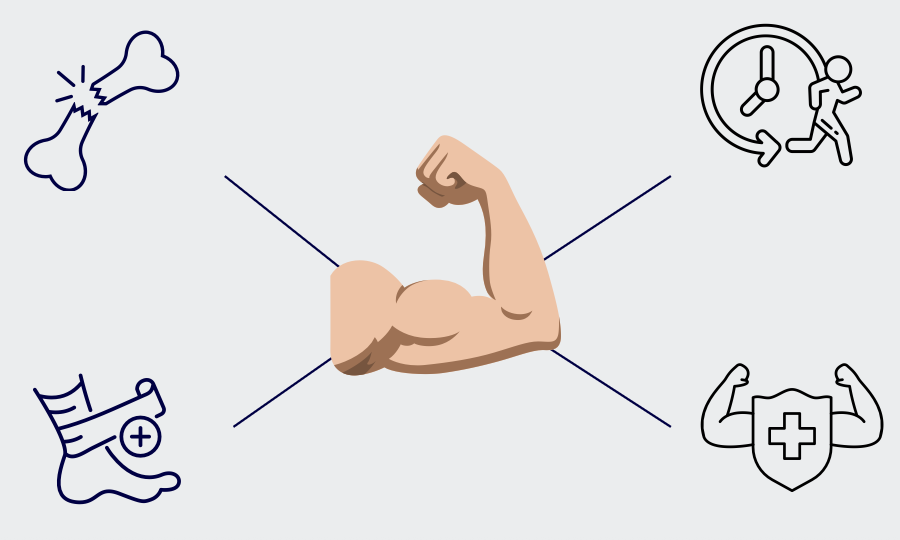
Evidence: Research shows mHBOT (1.3-1.5 ATA) reduces creatine kinase, lactate, and muscle soreness after intense exercise.
Reference: A study in Journal of Strength and Conditioning Research (Babler et al., 2014) found faster muscle recovery in resistance-trained males using 1.3 ATA mHBOT.
Reduced Inflammation & Swelling
Evidence: Multiple animal and human studies show reduced pro-inflammatory cytokines (e.g., IL-6, TNF-alpha) after HBOT.
Mechanism: Oxygen under pressure helps modulate immune response and enhances antioxidant capacity.
Faster Injury Recovery
Support: mHBOT promotes fibroblast activity, collagen formation, and angiogenesis – essential for healing muscle strains, tendons, and ligaments.
Use case: Used in sports medicine clinics for soft tissue and post-op recovery.
Enhances Physical Endurance
Studies: Increased oxygenation boosts mitochondrial efficiency and ATP production. This may result in increased stamina and performance.
Supported in mild pressure settings, though higher pressure HBOT is more often studied for this.
Immune Modulation
Evidence: Studies show mild HBOT can upregulate anti-inflammatory cytokines and regulate overactive immune responses.
Relevant for overtraining syndrome and athletes prone to illness during intense cycles.
Stem Cell Mobilization
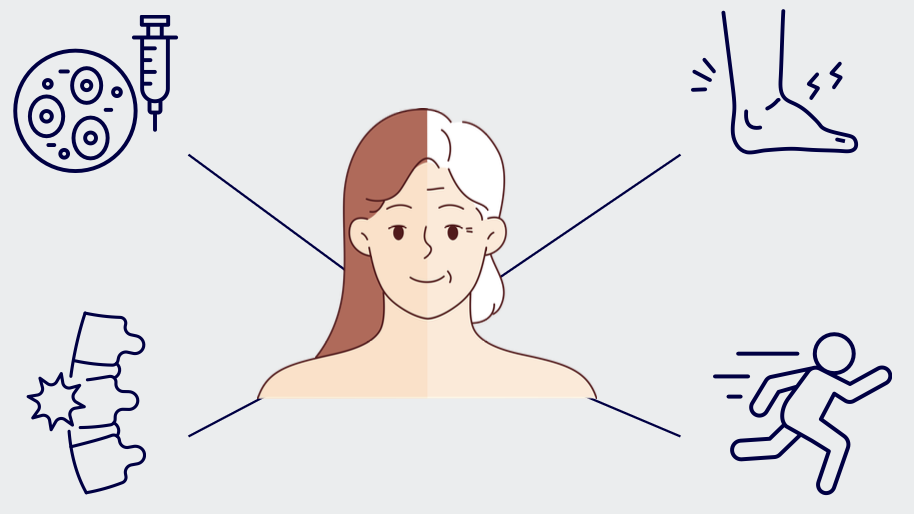
Strong support: Studies show HBOT significantly increases circulating CD34+ stem/progenitor cells Mechanism: Likely due to nitric oxide stimulation and enhanced oxygen gradients in bone marrow. Reference: Thom SR et al., Am J Physiol Heart Circ Physiol, 2006
Reduced Inflammation & Swelling
Evidence: Multiple animal and human studies show reduced pro-inflammatory cytokines (e.g., IL-6, TNF-alpha) after HBOT. Mechanism: Oxygen under pressure helps modulate immune response and enhances antioxidant capacity.
Faster Injury Recovery
Support: mHBOT promotes fibroblast activity, collagen formation, and angiogenesis – essential for healing muscle strains, tendons, and ligaments.
Use case: Used in sports medicine clinics for soft tissue and post-op recovery.
Enhances Physical Endurance
Studies: Increased oxygenation boosts mitochondrial efficiency and ATP production. This may result in increased stamina and performance.
Supported in mild pressure settings, though higher pressure HBOT is more often studied for this.
Immune Modulation
Evidence: Studies show mild HBOT can upregulate anti-inflammatory cytokines and regulate overactive immune responses.
Relevant for overtraining syndrome and athletes prone to illness during intense cycles.
Increased Oxygen Delivery to Tissues
Strong Support: Well-established that mHBOT raises dissolved oxygen in plasma – up to 7x more than breathing air at sea level
Use: Especially beneficial for individuals with impaired oxygen delivery (e.g., mild COPD, long COVID, fatigue)
Reference: Jain KK. Med Gas Res, 2017
Improved Lung Function & Gas Exchange
Moderate support: Small studies and case reports suggest improved oxygen saturation and lung efficiency, especially in recovery from respiratory illness
Reference: El Boustancy C et al., J Clin Med, 2021 - Found improved respiratory outcomes in post-COVID patient using mHBOT at 1.45 ATA
Sleep & Stress Relief
Improved Sleep Quality
Emerging: Many individuals report deeper, more restorative sleep, but controlled trails specifically on sleep are limited at mild pressures. Some studies using actigraphy or patient reports suggest improved sleep latency and duration.
Reference: Robbins T et al., Front Med, 2021.
Parasympathetic Activation
improved sleep after 1.3 ATA mHBOT A study of healthy volunteers found that hyperoxic exposure increased high-frequency HRV (linked to parasympathetic/vagal activity), and decreased the low frequency/high- frequency ratio – indicating a shift toward rest and digest dominance.
Reference: Perini R & Veicsteinas A., Eur J Appl Physiol, 1997Mild Hyperbaric Oxygen Therapy (mHBOT)
Circulatory & Cardiovascular
Improved Microcirculation & Capillary Growth
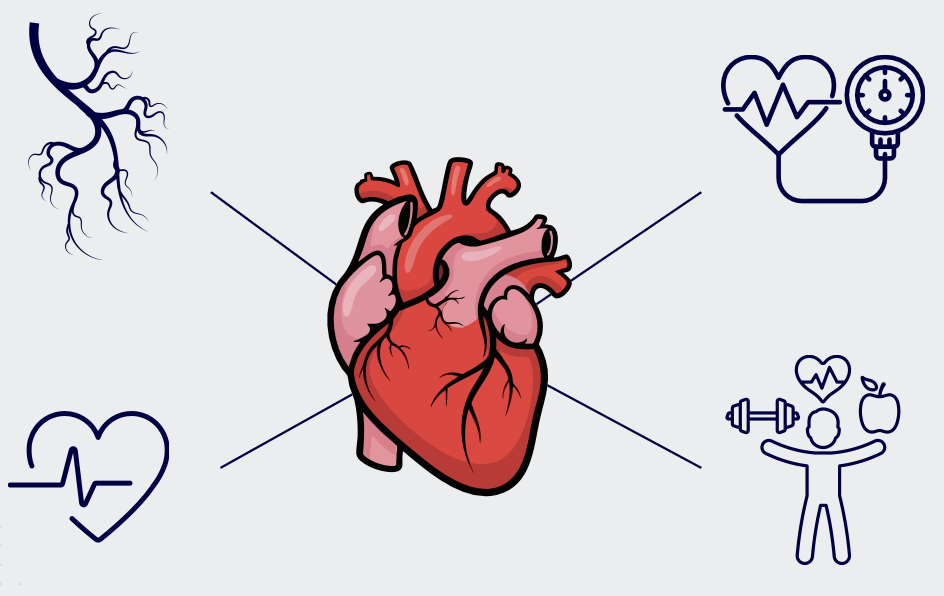
Evidence: Multiple studies confirm that HBOT (including mild HBOT) improves angiogenesis (new blood vessel growth) and microvascular perfusion.
Reference: Heyboer et al. Undersea and Hyperbaric Medicine, 2017 - Discusses microvascular changes in chronic wound and circulatory cases.
Increased Nitric Oxide (NO) Production
Evidence: Enhances vasodilation and blood vessel function by stimulating endothelial nitric oxide synthase.
Reference: Thom SR, Journal of Applied Physiology, 2009 .
Improved Endothelial Function
Evidence: Studies have shown improved vascular responsiveness and reduced endothelial dysfunction – a precursor to heart disease. More studied at 1.5 -2.0 ATA, but benefits extend to mild protocols with repeated use. Reference: Buras JA et al., American Journal of Physiology – Heart and Circulatory Physiology, 2006
Lowered Blood Pressure
Evidence: Regular mHBOT may reduce systolic and diastolic blood pressure by improving vascular tone and oxygenation. Reference: Sathish T et al., Journal of Hypertension Research, 2020
Improved Vascular Healing
Evidence: Widely used for chronic wounds and diabetic ulcers, reflecting improved blood vessel response and tissue oxygenation. mHBOT used in outpatient and wellness settings for chronic circulatory insufficiencies. Reference: Feldmeier JJ et al., Undersea and Hyperbaric Medicine, 2003
Hyperbaric Protocols According to the Scientific Literature
Muscle Recovery 1.3 ATA, 60 mins x 5-10 sessions post-exercise
Reduced Inflammation & Swelling 1.3 - 1.5 ATA, 60 mins, 20-40 sessions
Mitochondrial Function & ATP Boost 1.3 - 1.5 ATA, 60 mins, repeated sessions (20-40)
Improved Cognitive Focus & Reaction Time 1.3 ATA, 60 mins, 10-20 sessions
Improve Sleep and HRV 1.3 ATA, 3-5x/week
Post-Concussion Recovery/mTBI 1.3 -1.5 ATA, 60 mins, 40 sessions (5x/week)
Cognitive Improvement (Memory, Attention) 1.3 ATA, 60 mins, 20-40 sessions
Neurogenesis & Brain Plasticity 1.3 - 1.5 ATA, 60 mins, long-term protocols (20-60 sessions)
Autism Spectrum Disorder (ASD) 1.3 ATA, 60 mins, 40 sessions
Stroke Recovery (Chronic Phase) 1.5 ATA, 60 mins, 40 sessions (post-stroke rehab studies)
Anxiety, Depression and PTSD 1.3 -1.5 ATA, 60 mins, 20-40 sessions
10 Insurance Tips & Tricks!
Bundle Your Policies
Save money by bundling multiple insurance policies (e.g., auto, home) with the same insurer for a multi-policy discount.
Choose the Right Coverage Limits
Don't pay for unnecessary coverage. Make sure your coverage limits are sufficient to protect your assets and financial well-being.
Review Your Coverage Regularly
Ensure your insurance coverage reflects any life changes (e.g., marriage, new home, job change) to avoid overpaying.
Ask About Discounts
Inquire about available discounts for factors like safe driving or bundling policies to maximize savings on your premiums.
Opt for a Higher Deductible
Choose a higher deductible to lower premiums, but ensure you have enough savings to cover it if needed.
Consider Usage-Based Insurance
If you're confident in your safe driving habits, you might want to explore usage-based insurance programs.
Shop Around for Quotes
Compare quotes from multiple insurers to find the best coverage at the most competitive price.
Maintain a Healthy Lifestyle
Many insurance companies provide incentives for adopting and maintaining healthy lifestyles.
Maintain a Good Credit Score
Maintain a good credit score to reduce insurance costs. Pay bills on time and keep credit card balances low.
File Claims Promptly and Accurately
File claims quickly and accurately. Provide all needed documents and help with investigations.
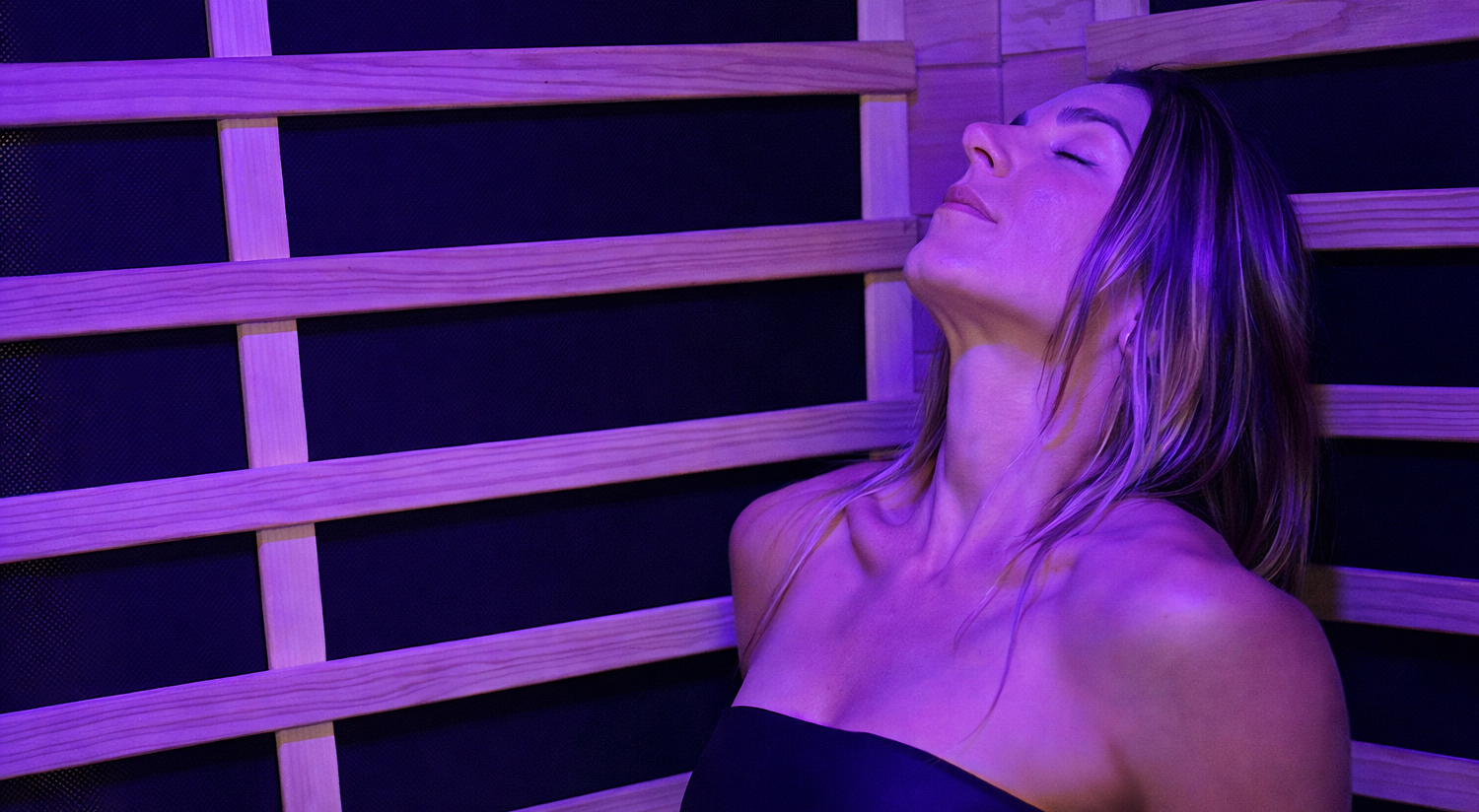
Far-Infrared Sauna: Top 5 Evidence-Based Benefits
1. Detoxification (Through Sweat)
Infrared heat stimulates sweating at lower temperatures than traditional saunas, allowing for deeper detoxification. Sweat analysis shows excretion of heavy metals like mercury, cadmium, and lead.
Source: Genuis et al., Arch Environ Contam Toxicol (2011)
2. Cardiovascular Health
Infrared sauna use increases heart rate, cardiac output, and blood circulation, mimicking moderate aerobic exercise. It can help reduce blood pressure and improve vascular function. These benefits peak between 20–30 minutes (HR and vessel dilation).
Source: Laukkanen et al., JAMA Intern Med (2015)
3. Muscle Recovery & Pain Relief
Infrared heat penetrates tissues up to 1.5 inches deep, increasing circulation to sore muscles and joints. This helps reduce inflammation and speed recovery.
Source: Vatansever & Hamblin, Photonics Lasers Med (2012)
4. Stress Reduction and Mood Enhancement
The calming heat and stimulation of parasympathetic activity help reduce cortisol (stress hormone) levels. It may also increase serotonin and endorphin production. Mental health benefits occur with consistent sessions.
Source: Hussain & Cohen, JAMA Intern Med (2018)
5. Metabolic Boost and Weight Loss Support
The increase in heart rate and core body temperature results in calorie burn, similar to light cardiovascular exercise.
Source: Beever, Can Fam Physician (2009)

Cold Immersion Therapy: Top 5 Evidence-Based Benefits
1. Reduces Inflammation & Muscle Soreness
Cold water constricts blood vessels and slows down metabolic activity, helping reduce swelling, tissue breakdown, and delayed-onset muscle soreness (DOMS). Inflammation reduction and muscle recovery benefits are seen around the 3–5 minute mark.
Sources: Ihsan et al., J Physiol (2016); Bleakley et al., Cochrane Database Syst Rev (2012)
2. Boosts Mood & Mental Clarity
Cold exposure increases norepinephrine and dopamine, which boost focus, mood, and alertness. It may help manage depression and anxiety symptoms. Norepinephrine spikes by 2–3x in just 2–3 minutes.
Source: Shevchuk, Med Hypotheses (2008)
3. Enhances Circulation
The cold causes blood vessels to constrict and then dilate upon exiting, acting like a vascular workout that improves circulation and cardiovascular resilience.
Source: Lee & Tipton, Eur J Appl Physiol (2011)
4. Strengthens Immune Function
Regular cold exposure may stimulate the immune system, increasing white blood cell count and resistance to illness.
Source: Brenner et al., J Appl Physiol (1999)
5. Trains Nervous System Regulation
Cold plunging trains your autonomic nervous system—especially the parasympathetic branch—to better regulate stress, calmness, and recovery from fight-or-flight responses.
Source: Al Haddad et al., Auton Neurosci (2010)
Mild Hyperbaric Oxygen Therapy (mHBOT)
As a Peri-operative Adjunct in Plastic and Aesthetic Surgery
We Care About Your Outcomes
At Transitions Wellness, we offer mild hyperbaric oxygen therapy (mHBOT) as a supportive modality to enhance recovery and optimize outcomes following plastic and aesthetic surgery. Emerging research shows that controlled oxygen exposure under mild pressure can significantly improve tissue healing, reduce inflammation, and support optimal post-surgical results (Thom et al., 2021).
Why Plastic Surgeons Integrate mHBOT
Enhanced Wound Healing
Oxygen is essential for collagen synthesis and angiogenesis. mHBOT increases oxygen delivery to healing tissues, supporting faster epithelialization and improved scar outcomes.
(Heyboer et al., 2017)
Reduced Swelling and Bruising
Increased oxygen tension assists in resolving edema and post-operative bruising more efficiently.
(Yamada et al., 2020)
Improved Flap and Graft Survival
Studies show higher graft take rates and improved microcirculation with perioperative hyperbaric oxygen exposure.
(Zhang et al., 2021)
Decreased Infection Risk
Oxygen-rich environments are hostile to anaerobic bacteria, aiding in lower post-surgical infection rates.
(Buras, 2020)
Ideal Candidates
Facelift, eyelid, rhinoplasty, liposuction, breast, or body contouring patients. Also beneficial for those with previous healing challenges or high aesthetic expectations.
Recommended mHBOT Protocol
We offer mHBOT in a controlled, comfortable environment at 1.3 ATA using 98% oxygen. For optimal outcomes, surgeons and patients may follow this evidence-informed approach:
Pre-Surgery: 3–6 sessions (60–90 minutes) to optimize tissue oxygenation, enhance immune readiness, and reduce inflammation.
Post-Surgery: 5–10 sessions (60–90 minutes) within the first two weeks after surgery to accelerate recovery, minimize swelling, decrease infection risk, and promote even scar formation.
What Our Clients Are Saying
Digestion – Celiac Disease
“I can’t recommend the hyperbaric chamber at Transitions enough. After struggling with chronic inflammation from celiac disease and ulcerative colitis for over 10 years, I noticed a difference after just one session. My inflammation has significantly decreased, and I’ve experienced major improvements in energy and mental clarity. The hyperbaric chamber has truly been life-changing — huge thanks to Lou for recommending it after hearing about my years of symptoms.”
— Payton S.
Cosmetic Surgery
“I was recommended to use the hyperbaric oxygen immediately after my facelift to dramatically decrease the swelling, pain, and time it takes to heal. My doctor showed me studies where the use of hyperbaric oxygen therapy every day after a facelift reduced the healing time to 13 days from over a month.
I wasn’t able to start on the first day but started within the first 48 hours and had sessions every day thereafter. At the first session, my eyes were so swollen I could not see out of them, but immediately after that first session, the swelling had gone down enough for both eyes to open and all of the pain was gone. I was able to get off all pain medication right away.
After that initial treatment, it only continued to improve. I’m very glad my doctor recommended this type of treatment — it dramatically shortened my recovery time, pain, and swelling.”
— Maria K.
Supportive Cancer Therapy
“I began using the hyperbaric chamber at Transitions Wellness Center in Juno Beach as part of my integrative care plan while undergoing chemotherapy for pancreatic cancer. From the start, the staff made me feel safe, informed, and supported.
The facility is spotless, peaceful, and professionally run — an environment that promotes healing on every level. After several sessions, I noticed meaningful improvements: better energy, faster recovery from treatment fatigue, and clearer mental focus. My sleep also improved, and I felt less inflammation and soreness overall.
These benefits became even more noticeable when I combined hyperbaric sessions with my nutrition plan and other wellness therapies. What stands out most is the personalized attention I received. The team genuinely cares about each patient’s journey and takes time to explain the process and monitor progress.
I highly recommend Transitions Wellness Center to anyone seeking a safe, science-based, and compassionate environment to complement conventional care. The hyperbaric chamber has been a key part of my recovery strategy, and I’m deeply grateful for the professionalism and kindness of the entire team.”
— Jim S.
Traumatic Brain Injury
“In Fall 2022, I was diagnosed with a traumatic brain injury, anxiety, and anger after brain SPECT imaging. My doctor recommended a hyperbaric oxygen protocol of 60–80 dives to support healing alongside other therapies.
Out of pocket, this could have cost $6K–$12K with typical hyperbaric chambers. For years, I couldn’t find an affordable way to follow through with it — until now. This center offers a clean, quiet chamber and a membership package that finally made regular sessions possible.
The staff is professional and caring, and I’ve already completed 35 sessions. My brain health and performance feel like a miracle. Having access to a private chamber at a price I can manage has been a real breakthrough.”
— Todd C.
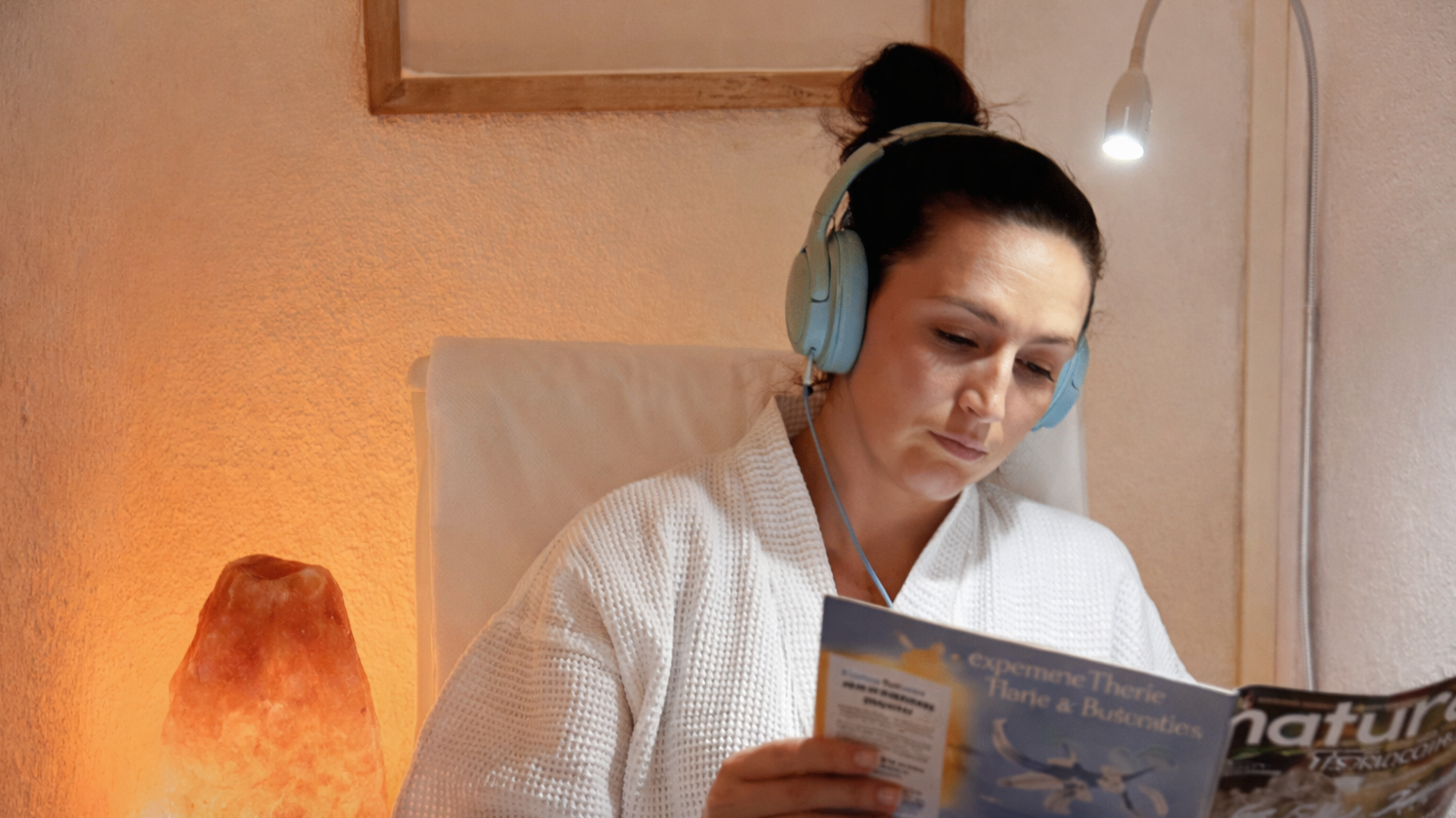
Halotherapy (Salt Therapy): Top 5 Evidence-Based Benefits
1. Clears Mucus and Opens Airways
Inhaled dry salt particles help thin and loosen mucus, making it easier to expel and improving overall airway function.
Source: Rashleigh et al., Int J Chron Obstruct Pulmon Dis (2014)
2. Antimicrobial & Antibacterial Effects
Salt has natural antimicrobial properties that can help reduce harmful bacteria in the respiratory tract and on the skin.
Source: Wasik et al., 2021
3. Reduces Inflammation in the Respiratory System
Dry salt inhalation can reduce inflammation in the bronchial tubes, potentially improving breathing in those with asthma or allergies.
Source: Bar-Yoseph et al., Pediatric Pulmonology (2017)
4. Supports Relaxation & Nervous System Regulation
The quiet, mineral-rich environment of a salt room—combined with deep breathing—activates the parasympathetic nervous system, helping reduce stress and promote calm.
Source: Gulbin et al., Alternative Therapies in Health and Medicine
5. Supports Skin Health
The anti-inflammatory and antibacterial properties of salt may benefit certain skin conditions, such as eczema, psoriasis, and acne.
Source: Proksch et al., Int J Dermatol (2005)
Red Light Therapy: Top 5 Evidence-Based Benefits
1. Supports Skin Health and Repair
Red light can improve skin tone and texture by encouraging collagen production and speeding up wound healing.
Source: Couturaud et al., J Clin Med (2023)
2. Stimulates Cellular Energy (ATP Production)
Red light is absorbed by mitochondria—the powerhouses of cells—helping them produce more ATP (your body’s cellular fuel). This can enhance overall cellular performance.
Source: Hamblin, Photochemistry and Photobiology (2017)
3. Reduces Inflammation
Exposure to red light can modulate the body’s inflammatory response, helping reduce chronic and acute inflammation at the tissue level.
Source: Hamblin, Photochemistry and Photobiology (2017)
4. Aids in Pain Management
Red light therapy has been shown to reduce joint and muscle pain by increasing circulation and reducing oxidative stress in affected areas.
Source: Chow et al., Lancet (2009)
5. Enhances Brain and Mood Function
Red light exposure—especially to the scalp or forehead—may improve cognitive function and mood by enhancing blood flow and mitochondrial activity in brain cells.
Source: Naeser et al., Photomedicine and Laser Surgery (2014)
Floatation Therapy: Top 5 Evidence-Based Benefits
1. Calms Nervous System and Reduces Stress
Floating in a sensory-reduced environment lowers the body’s stress response, reducing cortisol and shifting the nervous system into a parasympathetic “rest-and-digest” mode.
Source: Flux et al., Frontiers in Psychology (2022)
2. Enhances Mind–Body Awareness and Mental Clarity
With sensory input minimized, the brain shifts into a state similar to deep meditation or early sleep stages, allowing greater internal awareness and mental clarity.
Source: Feinstein et al., PLoS One (2018)
3. Improves Sleep Quality
Regular float sessions have been linked to improved sleep patterns, deeper rest, and easier sleep onset.
Source: Van Dierendonck & Nijenhuis, Psychology & Health (2005)
4. Reduces Muscle Tension and Physical Pain
The zero-gravity environment offloads joints and muscles, helping relieve physical tension, chronic pain, and even fibromyalgia symptoms.
Source: Feinstein et al., PLoS One (2018)
5. Supports Mood and Reduces Anxiety and Depression
Float therapy has been shown to reduce symptoms of anxiety and depression, likely due to both biochemical shifts and the calming, self-contained environment.
Source: Garland et al., PLoS One (2024)
VibroPlate (Whole-Body Vibration): Top 5 Evidence-Based Benefits
1. Improves Bone Density
Whole-body vibration has been shown to stimulate osteoblast activity and improve bone mineral density, particularly in postmenopausal women and older adults.
Source: de Oliveira et al., Osteoporosis International (2023)
2. Enhances Muscle Strength and Power
Vibration plates activate muscle contractions through reflex stimulation, improving strength—especially in the lower body—without high-impact movement.
Source: Marín & Rhea, Journal of Strength and Conditioning Research (2010)
3. Supports Neuromuscular Function and Balance
Regular vibration training improves coordination, balance, and neuromuscular control, making it beneficial for stability, athletic performance, and fall prevention.
Source: Rittweger et al., Journal of Musculoskeletal & Neuronal Interactions (2003)
4. Reduces Muscle Tension and Physical Pain
Whole-body vibration may help relieve muscle tightness and discomfort by increasing circulation and reducing stiffness in muscles and joints.
Source: Rittweger et al., Journal of Musculoskeletal & Neuronal Interactions (2003)
5. Improves Circulation and Lymphatic Flow
The rhythmic contractions caused by vibration help stimulate blood flow and support lymphatic drainage, reducing swelling and improving nutrient delivery.
Source: Cochrane et al., Journal of Strength and Conditioning Research (2012)
Compression Therapy: Top 5 Evidence-Based Benefits
1. Reduces Swelling and Edema
Compression helps move excess fluid out of the tissues and back into the lymphatic and circulatory systems, reducing swelling in the legs, ankles, and arms.
Source: Partsch et al., Dermatologic Surgery (2004)
2. Improves Circulation and Venous Return
By applying external pressure, compression assists the veins in returning blood to the heart, improving overall circulation—especially in the lower extremities.
Source: Mosti et al., European Journal of Vascular and Endovascular Surgery (2012)
3. Speeds Muscle Recovery After Exercise
Compression therapy reduces post-exercise soreness and muscle fatigue by clearing out metabolic waste (like lactic acid) and improving nutrient delivery to tissues.
Source: Hill et al., Journal of Sports Sciences (2014)
4. Supports Lymphatic Drainage
The gentle, rhythmic pressure of compression promotes lymph flow, helping to remove cellular waste and support immune function.
Source: Leduc et al., Lymphatic Research and Biology (2012)
5. Promotes Relaxation and Physical Recovery
Beyond physical effects, many users report feeling deeply relaxed and restored after sessions—likely due to improved circulation and rhythmic pressure on the body.
Source: Kopp et al., Complementary Therapies in Medicine (2016)
Cupping Therapy (Vacuum Therapy): Top 5 Evidence-Based Benefits
1. Improves Blood Circulation
Cupping uses suction to increase blood flow to targeted areas, which can promote healing and improve oxygen delivery to tissues.
Source: Cao et al., Journal of Traditional Chinese Medicine (2015)
2. Reduces Muscle Tension and Pain
The negative pressure helps release tight muscles, reduce stiffness, and alleviate chronic pain conditions such as back, neck, and shoulder pain.
Source: Kim et al., Evidence-Based Complementary and Alternative Medicine (2018)
3. Supports Detoxification and Lymphatic Flow
Cupping may stimulate the lymphatic system, helping remove toxins, metabolic waste, and excess fluids from the body.
Source: Al-Bedah et al., Journal of Alternative and Complementary Medicine (2019)
4. Reduces Inflammation
By improving circulation and immune response, cupping therapy may help reduce localized inflammation and promote tissue repair.
Source: Teut et al., PLoS One (2018)
5. Promotes Relaxation and Stress Relief
The therapy activates the parasympathetic nervous system, helping the body shift into a relaxed state and reducing stress levels.
Source: Lauche et al., Journal of Pain (2012)
Vibroacoustic Sound Meditation Bed: Top 5 Evidence-Based Benefits
1. Calms the Nervous System and Promotes Deep Relaxation
Low-frequency vibrations paired with soothing sounds help the body shift from sympathetic (fight-or-flight) to parasympathetic (rest-and-digest) mode, reducing anxiety and tension.
Source: Leardi et al., Journal of Alternative and Complementary Medicine (2007)
2. Reduces Pain and Muscle Tension
Vibrations can help relax tight muscles and interrupt pain signals by stimulating mechanoreceptors and improving blood flow to affected areas.
Source: Cardinale & Bosco, Sports Medicine (2003)
3. Enhances Heart Rate Variability (HRV)
The therapy promotes synchronization between breath, heartbeat, and vibration patterns, which can enhance HRV—a key marker of resilience and stress regulation.
Source: Moss & Moss, Applied Psychophysiology and Biofeedback (2006)
4. Supports Sleep and Restfulness
The soothing vibrations help quiet mental chatter and relax the body, making it easier to fall into restful sleep states or meditative awareness.
Source: Leardi et al., Journal of Alternative and Complementary Medicine (2007)
5. Promotes Mind–Body Integration and Meditation Depth
By reducing sensory distractions and providing consistent, rhythmic stimulation, vibroacoustic beds help the brain enter theta or alpha wave states associated with deep meditation, introspection, and healing.
Source: O’Callaghan et al., Journal of Alternative and Complementary Medicine (2018)
Fire and Ice Protocols
Science-Backed Sauna & Cold Immersion Timing
Infrared Sauna – Science-Backed Duration by Benefit
Cardiovascular Health
Recommended Time: 15–30 min / 4–7x per week
Details: Mimics moderate exercise; research (JAMA Intern Med, 2015) showed up to a 50% reduction in heart disease risk.
Detoxification (Sweat-Based)
Recommended Time: 20–40 min
Details: Deeper sweating enhances removal of heavy metals and environmental toxins.
Source: J Environ Public Health (2012)
Stress Relief & Anxiety
Recommended Time: 20–30 min
Details: Stimulates parasympathetic activity and endorphin release.
Source: Complementary Therapies in Medicine (2018)
Muscle Recovery
Recommended Time: 15–25 min (post-workout)
Details: Increases blood flow and oxygen delivery to tissues, supporting recovery.
Immune Modulation
Recommended Time: 15–20 min / ~3x per week
Details: Temporary rise in core body temperature may boost white blood cell activity.
Source: Medical Hypotheses (2008)
Cold Immersion – Science-Backed Duration by Benefit
Dopamine & Mood Elevation
Recommended Time: 1–3 min
Details: Can increase dopamine up to ~2.5x.
Sources: Huberman Lab / Søberg Institute
Inflammation Reduction
Recommended Time: 2–5 min
Details: Helps reduce inflammatory markers such as IL-6 and TNF-α.
Source: Frontiers in Physiology (2019)
Metabolic Boost (Brown Fat Activation)
Recommended Time: 2–4 min / 3–4x per week
Details: Cold exposure stimulates brown adipose tissue activity.
Source: Cell Metabolism (2013)
Exercise Recovery
Recommended Time: 3–10 min
(Avoid immediately after strength training)
Details: May reduce soreness (DOMS), but immediate use can blunt strength gains.
Source: Journal of Physiology (2015)
Immune Enhancement
Recommended Time: 2–3 min / 3–5x per week
Details: Increases circulating norepinephrine and supports immune surveillance.
Source: PLoS ONE (2014)
Thermal Cycling (Contrast Therapy)
What Is Contrast Therapy?
Thermal cycling—also known as contrast therapy—involves alternating between heat (sauna) and cold exposure (cold plunge) to stimulate circulation, improve recovery, and enhance nervous system resilience.
Contrast Therapy by Goal
Circulatory Training
Protocol: Sauna 15–20 min → Cold plunge 1–3 min
Repeat 2–3 rounds
Benefit: Trains blood vessels to constrict and dilate efficiently, improving circulation and vascular health.
Stress Resilience & HRV
Protocol:
Finish with cold for alertness
Finish with sauna for relaxation and sleep
Benefit: Supports autonomic nervous system balance and improves heart rate variability (HRV).
Performance Recovery
Protocol: 1–2 full hot/cold rounds post-exercise
Benefit: Helps reduce soreness and speeds up recovery (avoid cold immediately after strength training if muscle growth is the goal).
Sleep Optimization
Protocol: Sauna only, ending 1–2 hours before bed
Benefit: Promotes relaxation and deeper sleep through body temperature regulation.
Recommended Sauna & Cold Timing by Goal
Mental Health Boost
Sauna: 20–30 min
Cold: 2–3 min
Notes: Elevates dopamine and reduces anxiety
Athletic Recovery
Sauna: 15–25 min
Cold: 3–5 min
Notes: Avoid cold immediately after strength training
Cardiovascular Health
Sauna: ~30 min
Cold: Optional
Notes: Consistent sauna use provides the greatest benefit
Metabolic Support
Sauna: ~20 min
Cold: 3–4 min
Notes: Cold exposure activates brown fat
Immune Resilience
Sauna: 15–20 min
Cold: 2–3 min
Notes: Combined use may support immune function
Red Light Therapy Protocols
“Harness the sun’s healing rays”
Skin Rejuvenation
Protocol: 2x per week for 8–16 weeks
Evidence: Wunsch (2014), Couturaud (2023)
Pain Relief
Protocol: 2–3x per week for 3–8 weeks
Evidence: Oliveira (2021), JSPT (2024)
Tendon Healing
Protocol: 2–3x per week for 3–6 weeks
Evidence: Stergioulas (2008), Leal-Junior (2015)
Wound Healing
Protocol: 3–5x per week until closure
Evidence: Schindl (2001), Kuffler (2016)
Cognitive / Neurological Support
Protocol: 3–5x per week for 6–12 weeks
Evidence: Naeser (2017), Berman (2017)